Japan Hojicha AssociationJapan Hojicha Association

Tea gets more interesting with roasting.

Tea Gets More Interesting When You Roast It

From light roast to blending: how to read hojicha

Roast & Blend Lab

Editor: Tossy

IN SERIAL

Starting from what people already search for, and explaining a cup of hojicha again through the step of roasting.

What you learn here

  1. Read published caffeine figures together with the test conditions they were measured under.
  2. Read what is inside a bag from its light- or dark-roast wording, and choose one that suits you.
  3. Blend brown rice, barley, stems and leaves, milk or spices, and make a cup that is your own.

The chapters that lead in, and the chapters on blending, can be read right through by anyone. In the roasting chapters and the chapters on roasters and regions, the first two sections are open to everyone, and the rest opens with a free account on the Japanese site.

47 sections readable / 59 in all

Where to start

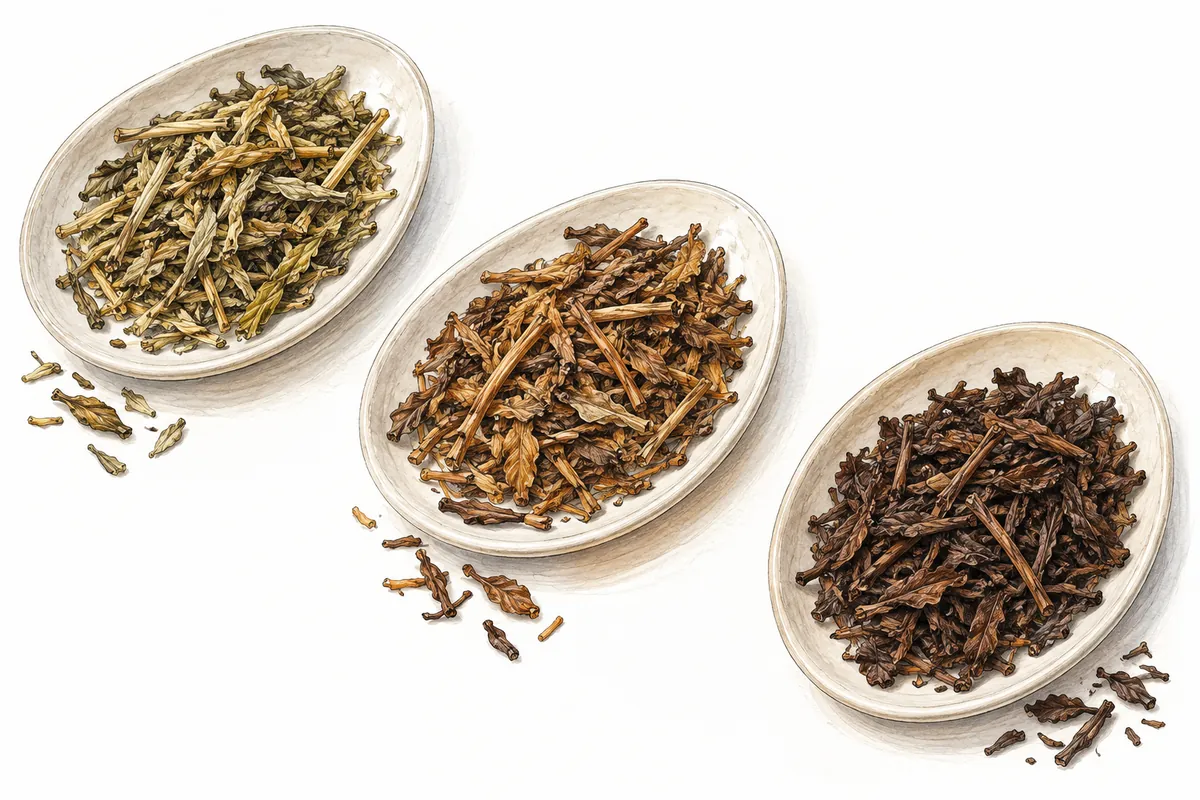
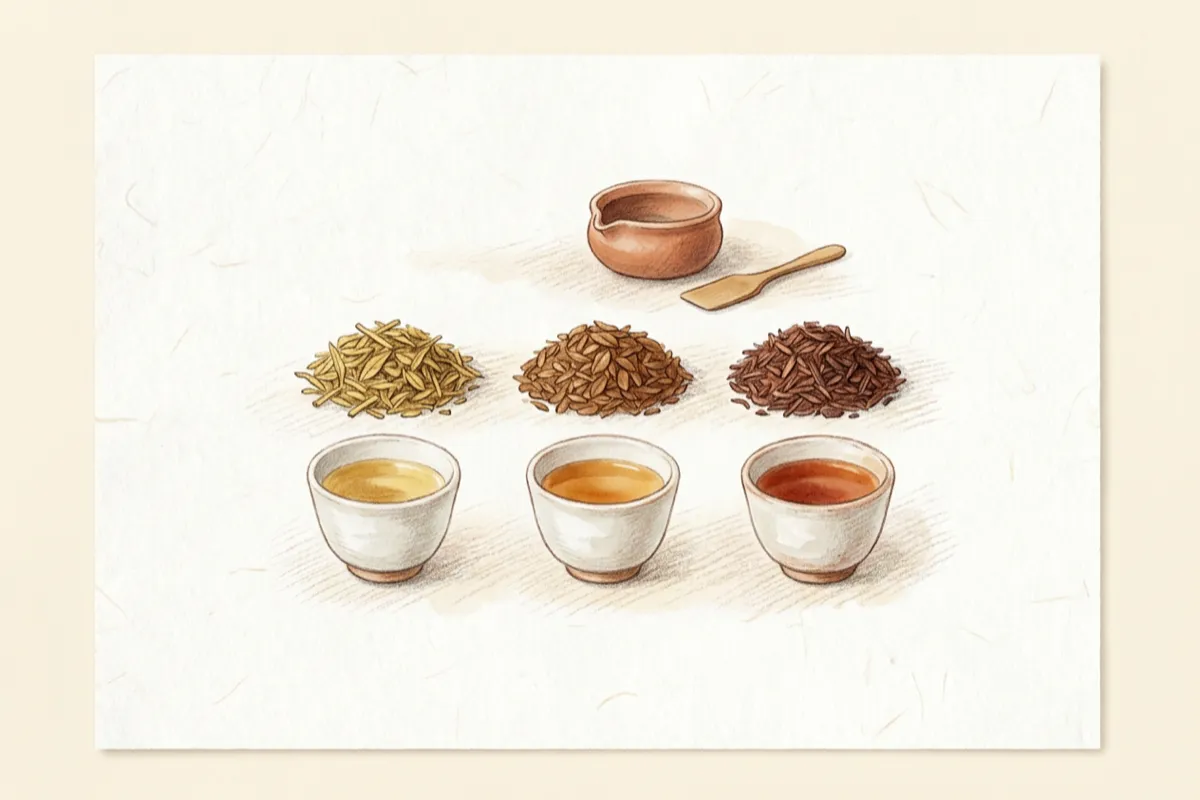
A coloured-pencil and watercolour still life: three small heaps of hojicha leaf roasted to different depths on white paper, light to dark, with cups in front whose liquor runs from gold to red-brown

Light vs dark roast hojicha: colour, aroma, taste, brewing

Two packets on a shop shelf, one light roast and one dark: what actually differs inside? Colour, aroma, astringency and caffeine are traced through public trials and tea merchants’ notes, to see which follow the depth of the roast and which do not.

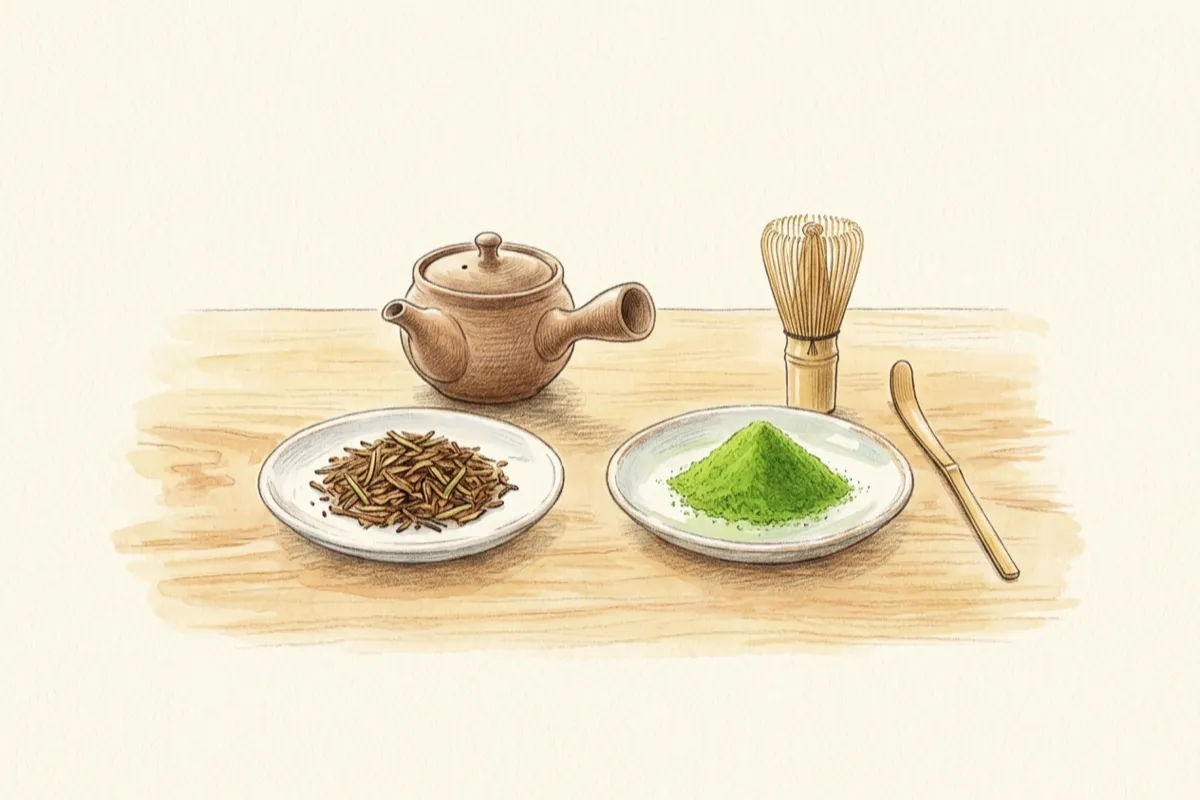
An illustration of two small dishes side by side on a wooden counter, one holding brown roasted tea leaves and the other a mound of green matcha powder, with a bamboo whisk and a tea scoop beside them.

Hojicha vs matcha: process, taste and caffeine compared

Matcha and hojicha come from the same tea plant, so where do they part ways? This piece follows how each is made, how it tastes, the caffeine in a cup, brewing and lattes, drawing on public sources and a tea shop’s recipe.

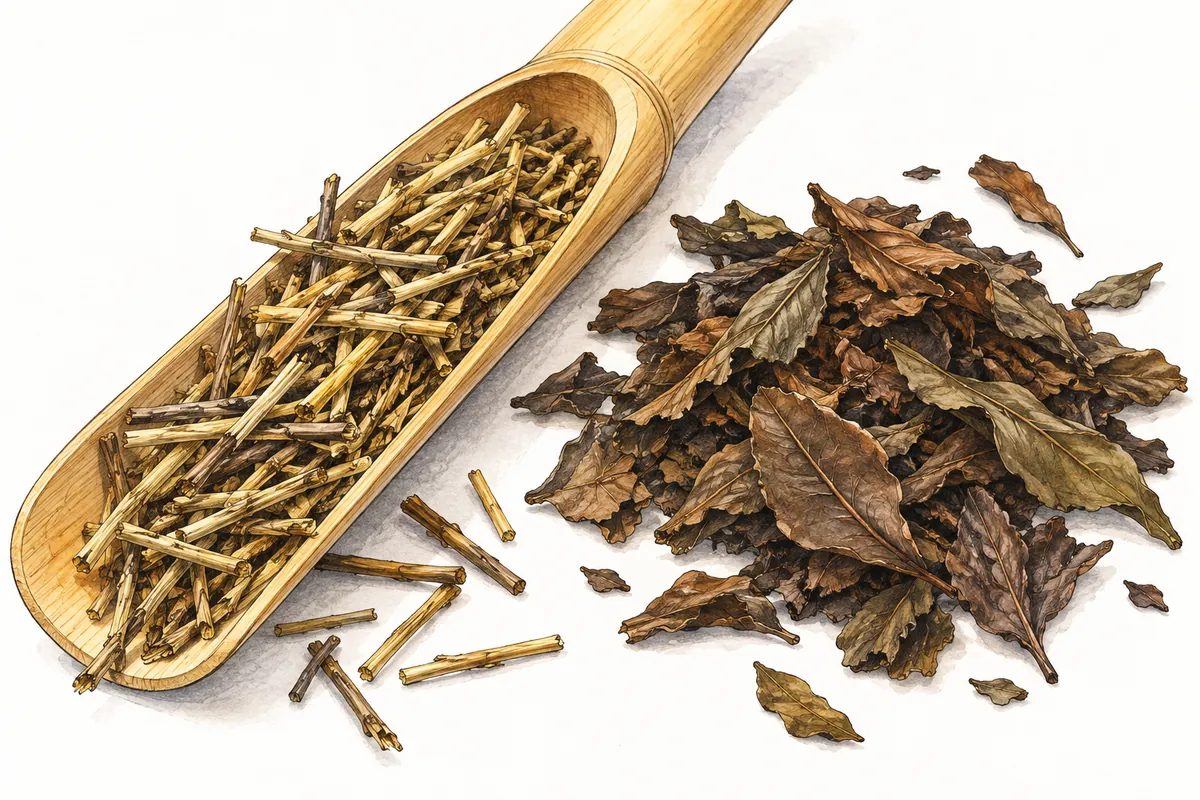
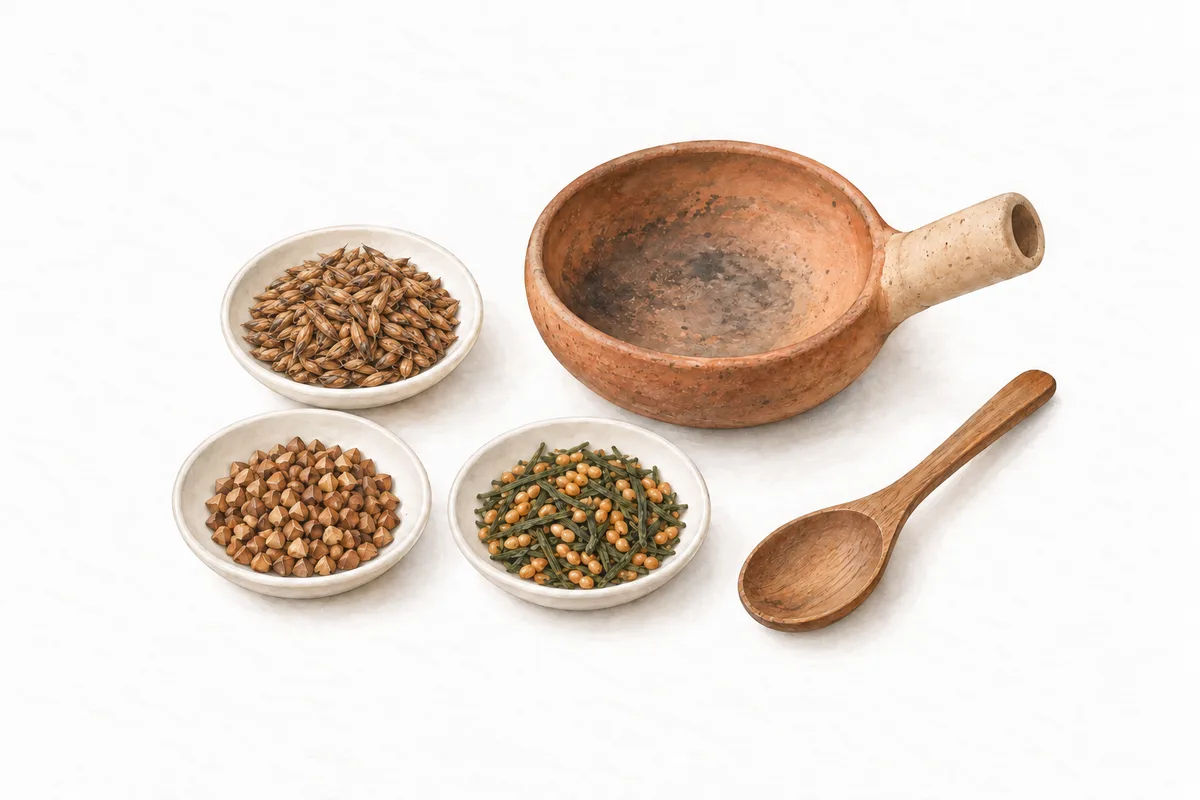
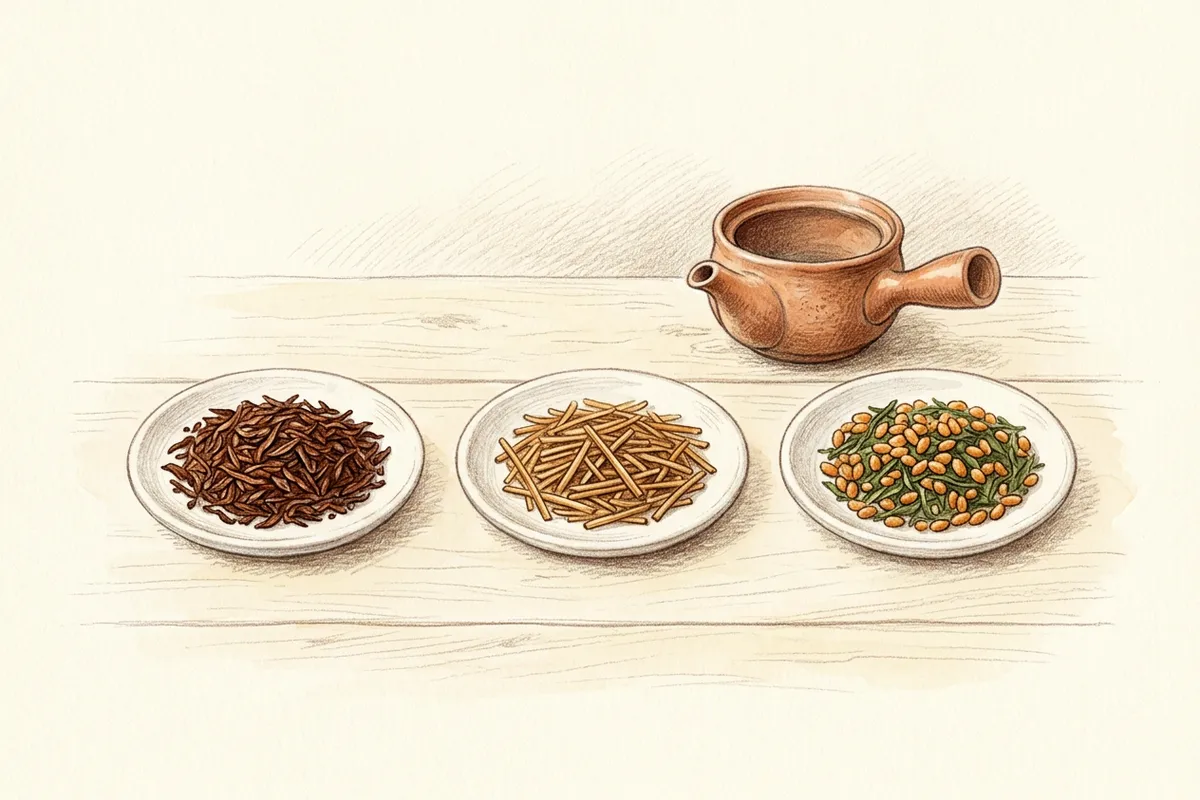
Illustration of roasted leaf, thin roasted stems and genmaicha with toasted rice on three small dishes, with a small teapot behind.

What is hojicha? How it differs from kukicha and genmaicha

Do the five names on a tea shelf point at the same kind of thing? This piece follows the layers they belong to — a method, a part of the plant, something added — and the two fires of the finishing stage.

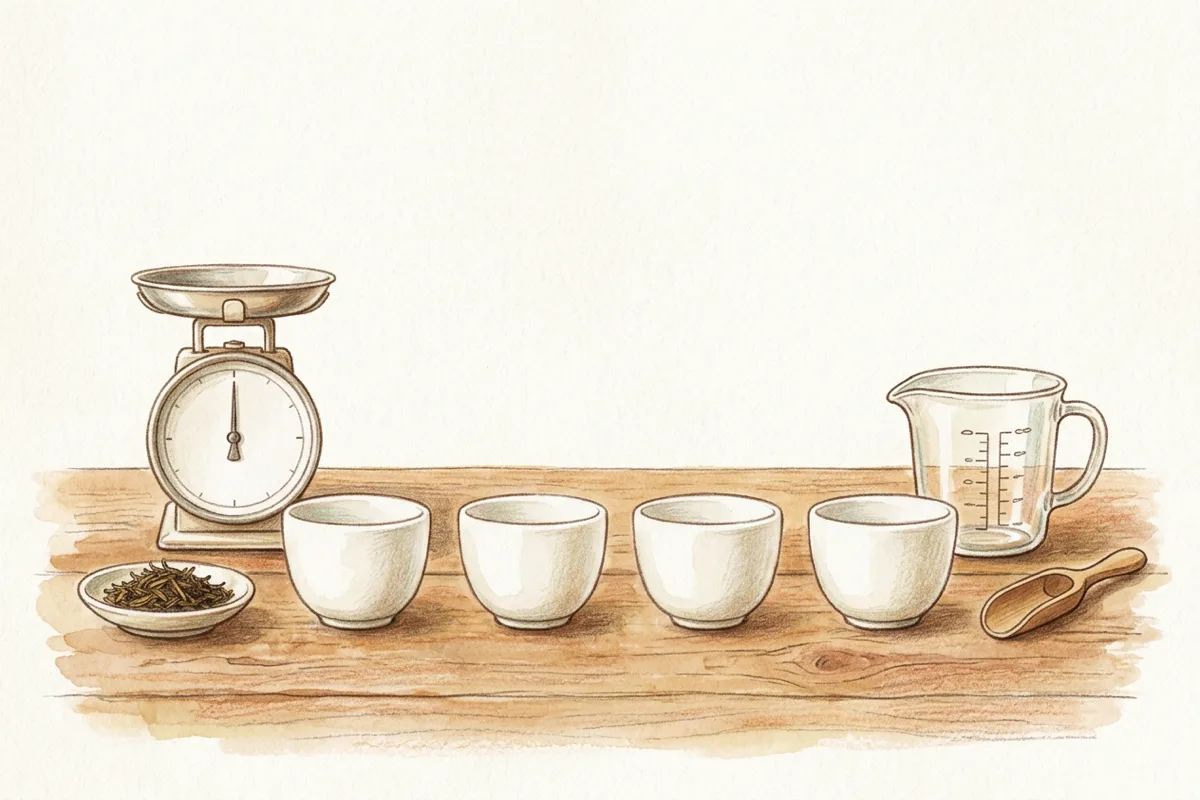
An illustration of a counter holding four identical white teacups in a row, with a small scale and a dish of tea leaves on one side and a glass measuring jug and a tea scoop on the other.

Hojicha caffeine content vs sencha, bancha and black tea

How can figures brewed in different ways be laid out so they compare? Two ways, inside the groups measured under the same conditions and per gram of leaf, and where hojicha ends up in each.

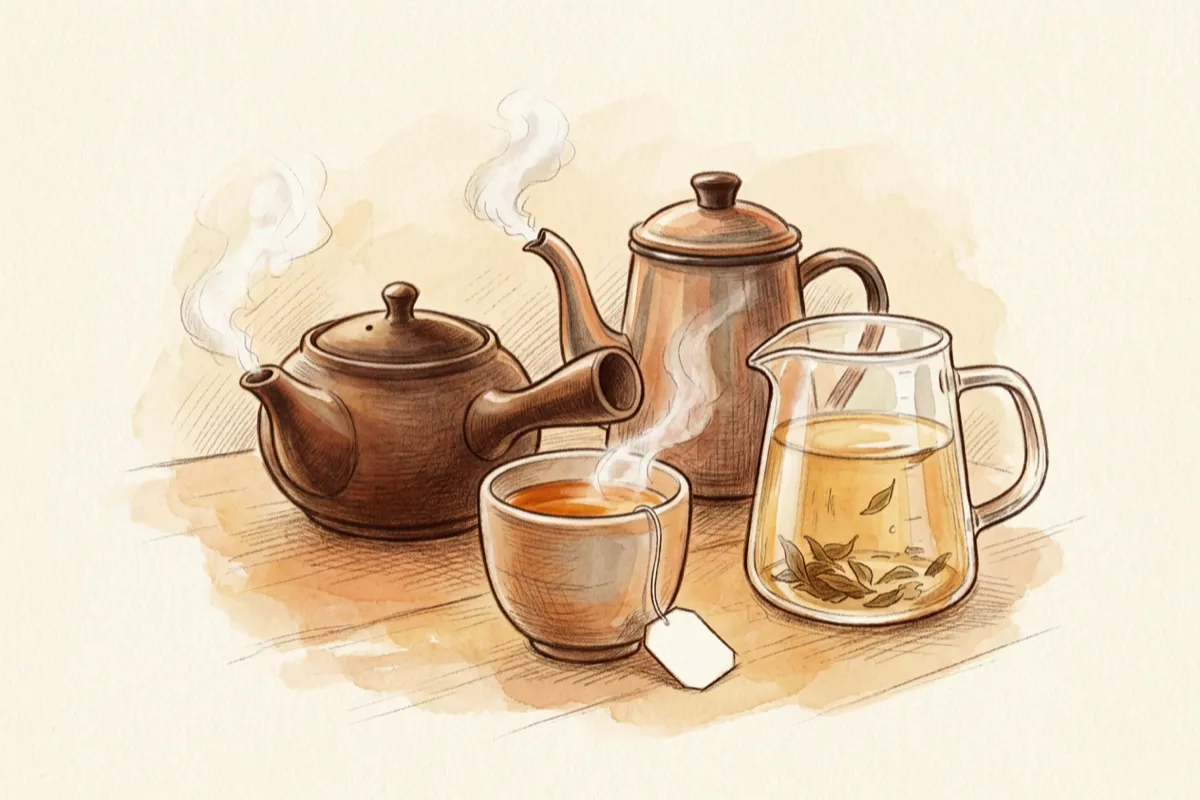
An illustration of a kitchen table with a steaming kettle and teapot, a cup with a tea bag in it and a jug of cold-brewed tea.

How to brew hojicha: teapot, kettle, tea bags and cold brew

Teapot, kettle, tea bag or cold brew: how does brewing hojicha change with each? This piece follows the basic form and where to adjust it, from Japan's public brewing guide and tea shops' published instructions.

The association's own counts are in Hojicha in figures, and short answers to common questions are in the FAQ.

New here? Start in this order

You do not have to read it straight through. If you would rather start somewhere, here is one route through what can be read now.

  1. Getting started

  2. Brewing

  3. Choosing

  4. History and regions

Part 1

Starting with the questions people actually ask

Part 2

Roasting — what happens to tea when it is roasted

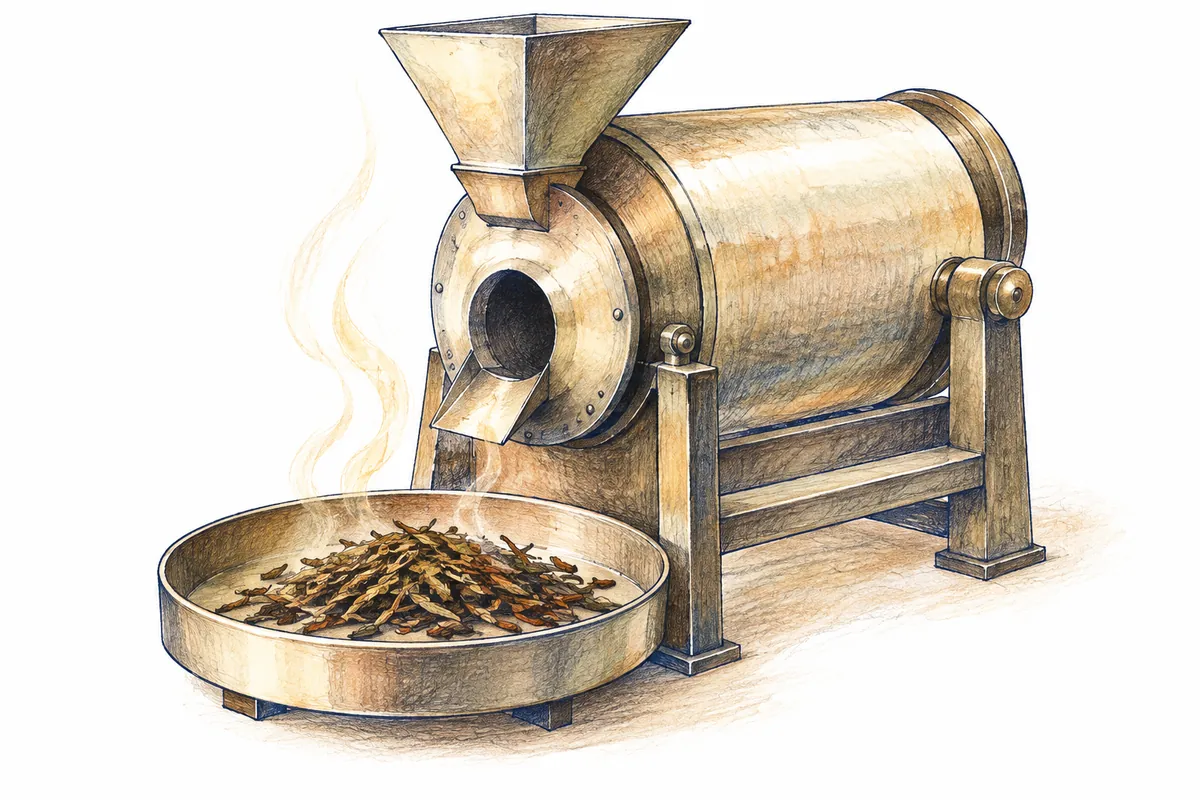
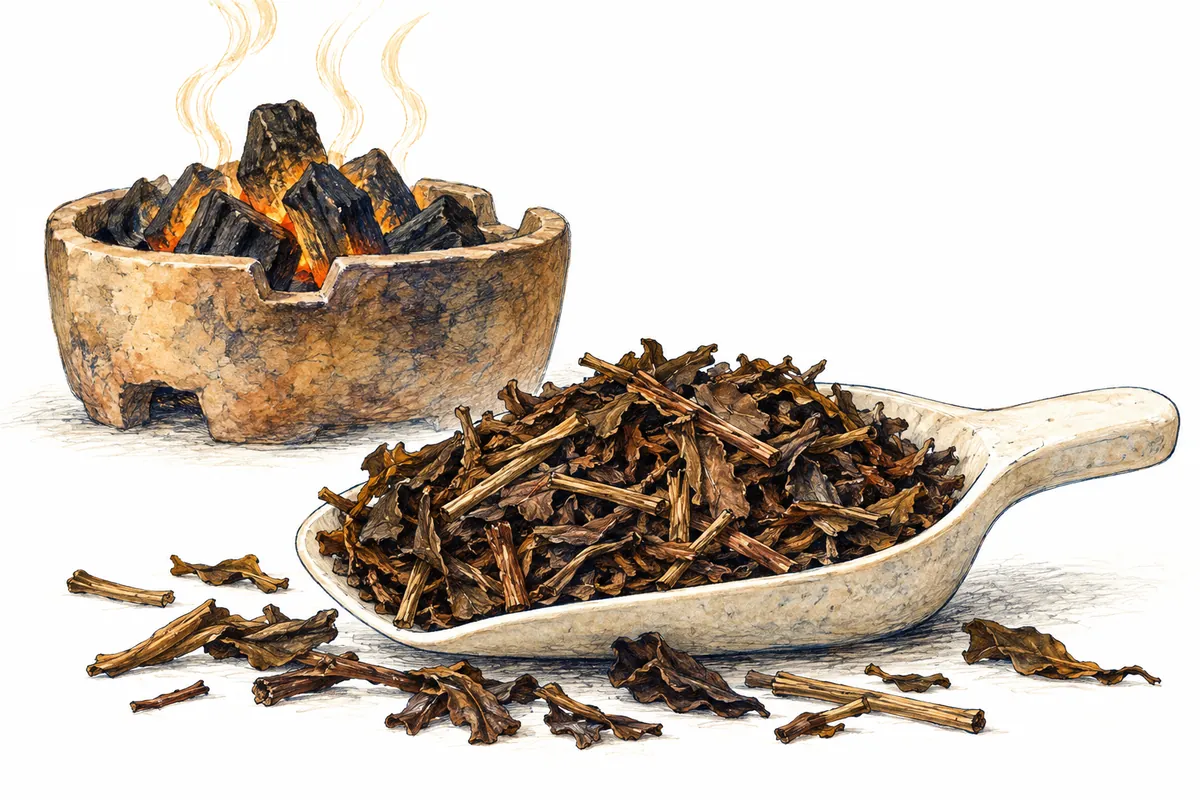
Before the tea is brewed, there is a stretch of time in which heat goes into the leaf. This part follows the equipment, the ways of roasting and what roasting does to the leaf. Start with whichever chapter interests you.

Chapter 5

Roasting and hiire: the same fire, two different processes

What separates them is not temperature. Time alone cannot draw the line either; what divides their purpose and their evaluation is the stage at which the fire arrives.

  1. How hojicha is made: sorting tea names by what each one describes
  2. How hojicha is roasted: amino acids and sugar turning into aromaMembers only
  3. Oolong and roasted black tea: the fire that arrives after drying
  4. Tea roasting temperature: what 180°C, 200°C and 220°C actually measuredMembers only
  5. Hiire vs hojicha roasting: where the line between firing and roasting fallsMembers only
Read this chapter

Chapter 6

Reading what is inside, from the words on the packet

Light roast and dark roast on a packet are relative terms that hold only inside the shop that printed them, defined by neither temperature nor colour.

  1. Hojicha roast levels: the industry has no shared definition
  2. Light roast vs dark roast hojicha: can the levels be matched across shops?Members only
  3. Roasting hojicha at home: three levels, and what makes them three
  4. Does a darker roast mean more toasted aroma?Members only
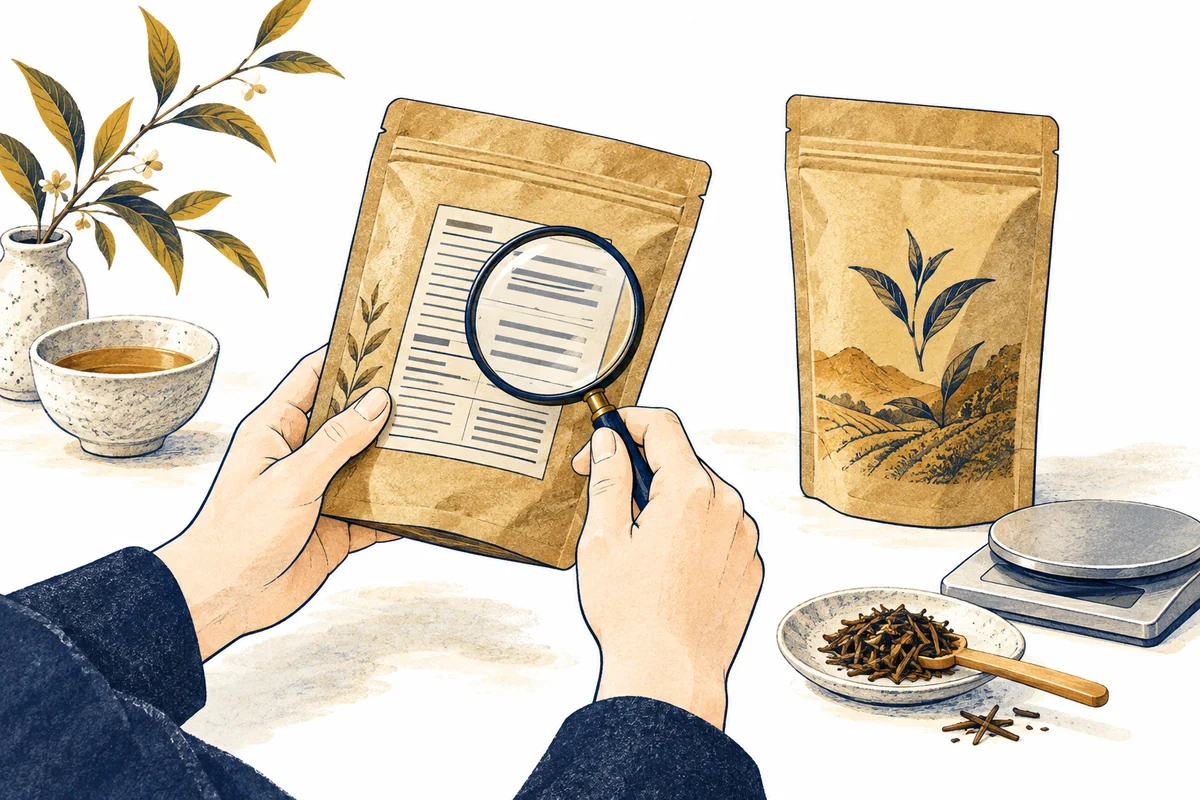
  5. How to read a hojicha label before you buyMembers only
Read this chapter
Part 3

Visiting the roasters and the regions

Part 4

Blending — putting things together to open it up

Closing

Hojicha seen through the roast

What measuring shows, what asking shows and what is still unknown: a closing round-up.

In preparation

Looking up a word

Glossary (19 terms)Short explanations of the words used here, each with its source.

This table of contents is the 2026-09-24 version.